
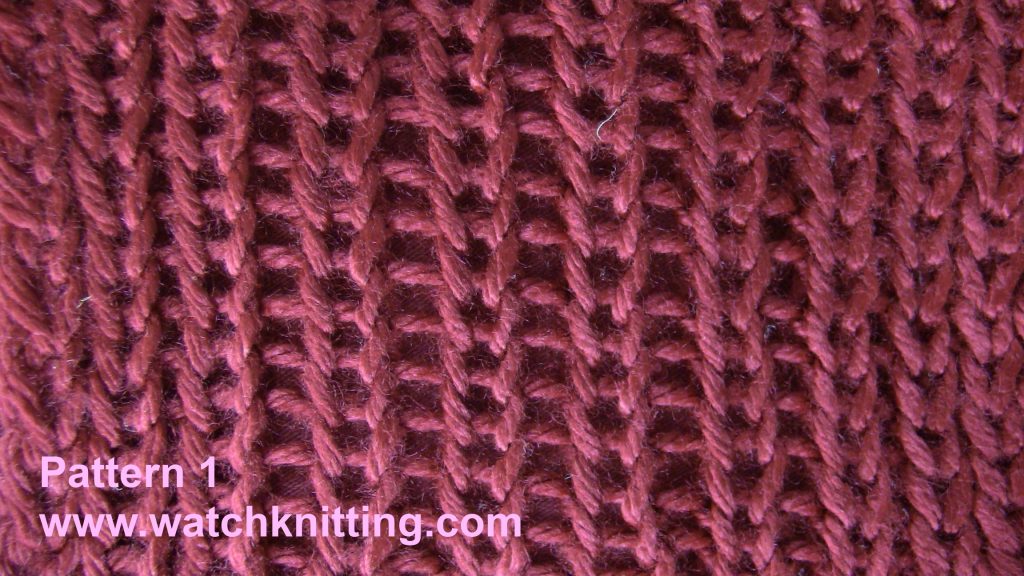
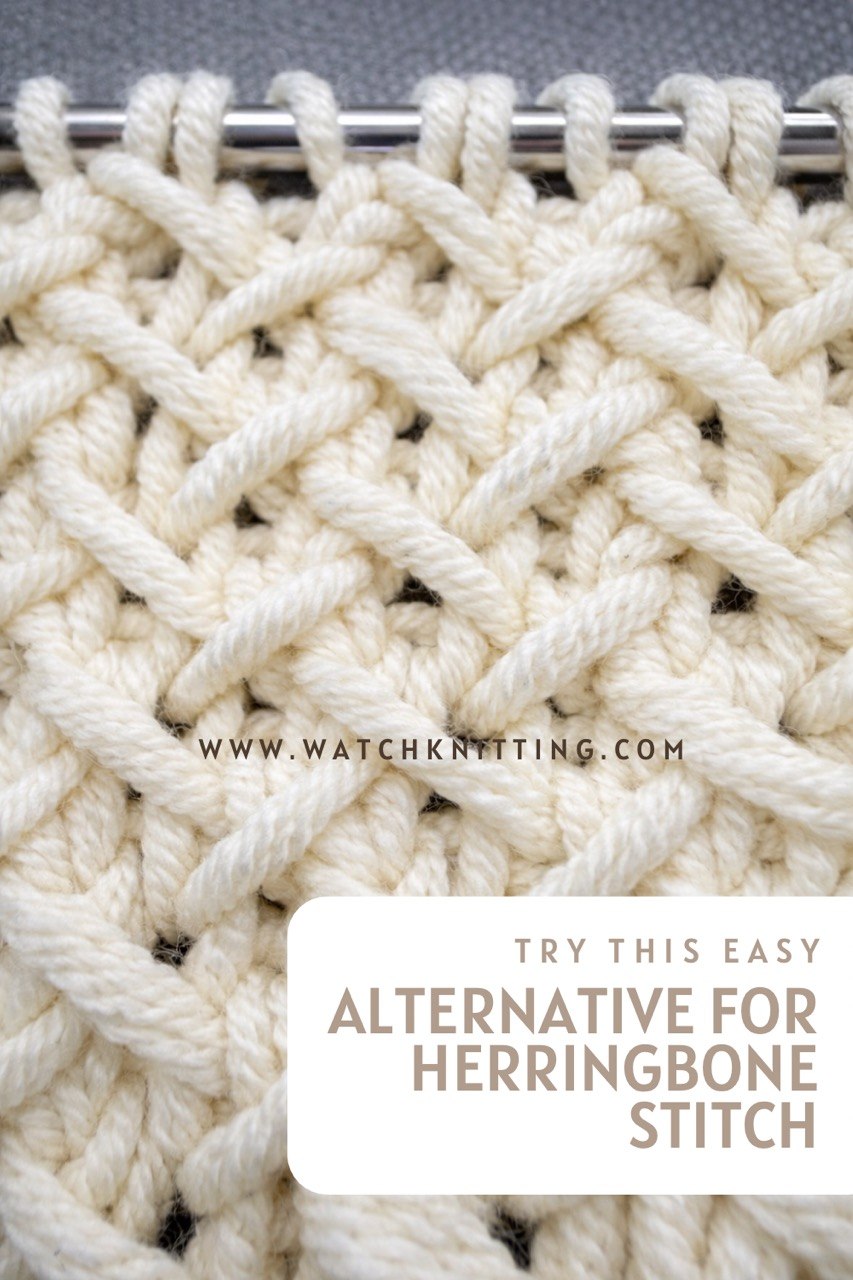
If you’re looking for a simple knitting stitch that looks like herringbone, this easy alternative is perfect. It creates a beautiful woven texture with a soft, flexible fabric—great for garments and accessories.
Unlike the traditional herringbone stitch, this version is easier to knit, more stretchy, and worked in a simple 2-row repeat, making it beginner-friendly and relaxing to knit.
✨ Why This Stitch Is So Popular
- Looks like a herringbone stitch
- Easy 2-row repeat pattern
- Works in both English and Continental knitting styles
- Creates a textured, modern fabric
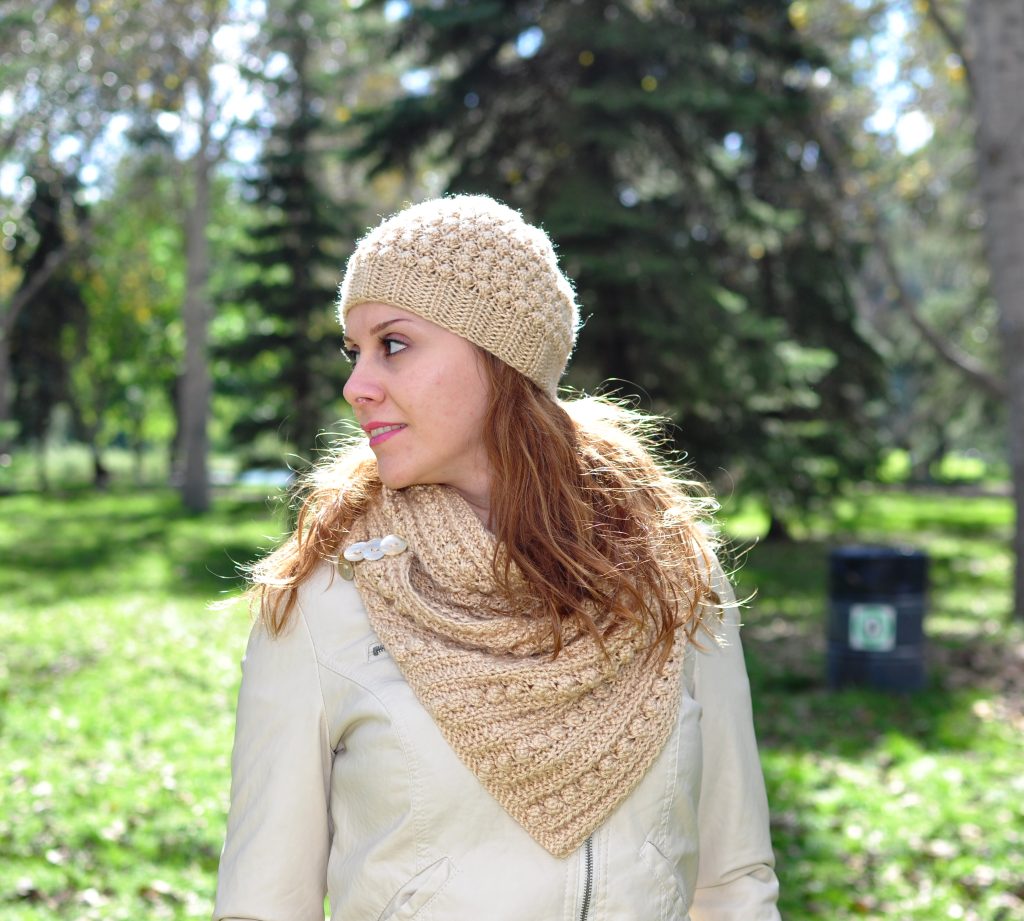
- Perfect for scarves, cardigans, vests, and cowls
🧵 Stitch Pattern Instructions
Cast on:
Multiple of 3 stitches + 1 edge stitch
Row 1 (Right Side)
edge, rep (yo, sl1, k2, psso)
Row 2 (Wrong Side / Return Row)
edge, rep (yo, sl1 wyif, p2, psso)
Repeat these two rows for the pattern.
🔍 Key Technique Tips (Very Important)
To get the correct texture, pay attention to these details:
- The yarnover (yo) creates a new stitch and must be placed correctly
- On Row 2, always slip 1 with yarn in front (wyif)
- The psso (pass slipped stitch over) is what forms the diagonal texture
- The center stitch in each repeat is always the yarnover from the previous row
If your pattern isn’t forming correctly, it’s usually because:
- The yarn was not in the correct position before slipping
- The slipped stitch was not passed over properly
🧶 What Can You Make with This Stitch?
This stitch works beautifully for:
- Knitted cardigans
- Cozy scarves
- Stylish vests
- Warm cowls
- Textured blankets
Because of its structure, it adds depth and interest without being complicated.
🎥 Full Video Tutorial
In the full tutorial, you’ll see:
- Step-by-step instructions
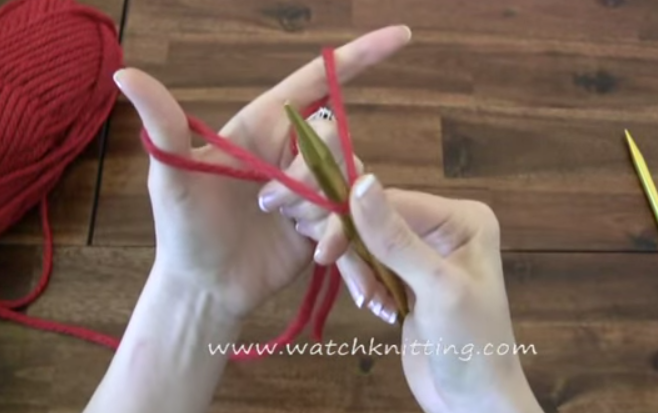
- Both English and Continental methods
- Close-up details of yarn movement and stitch structure
This makes it easy to follow along, even if you’re new to textured stitches.
💡 Final Thoughts
If you want a stitch that gives you the look of herringbone without the complexity, this is a great one to add to your knitting toolbox.
It’s simple, elegant, and perfect for your next project.

Leave a Reply