
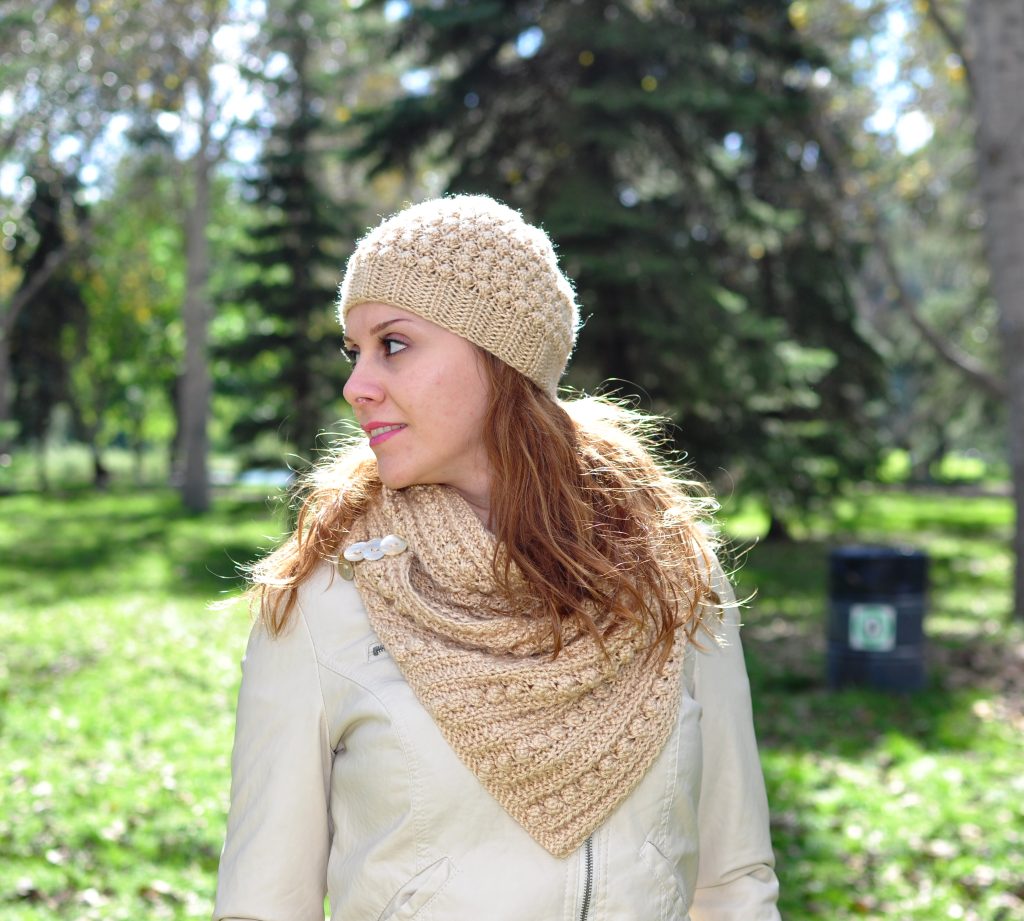
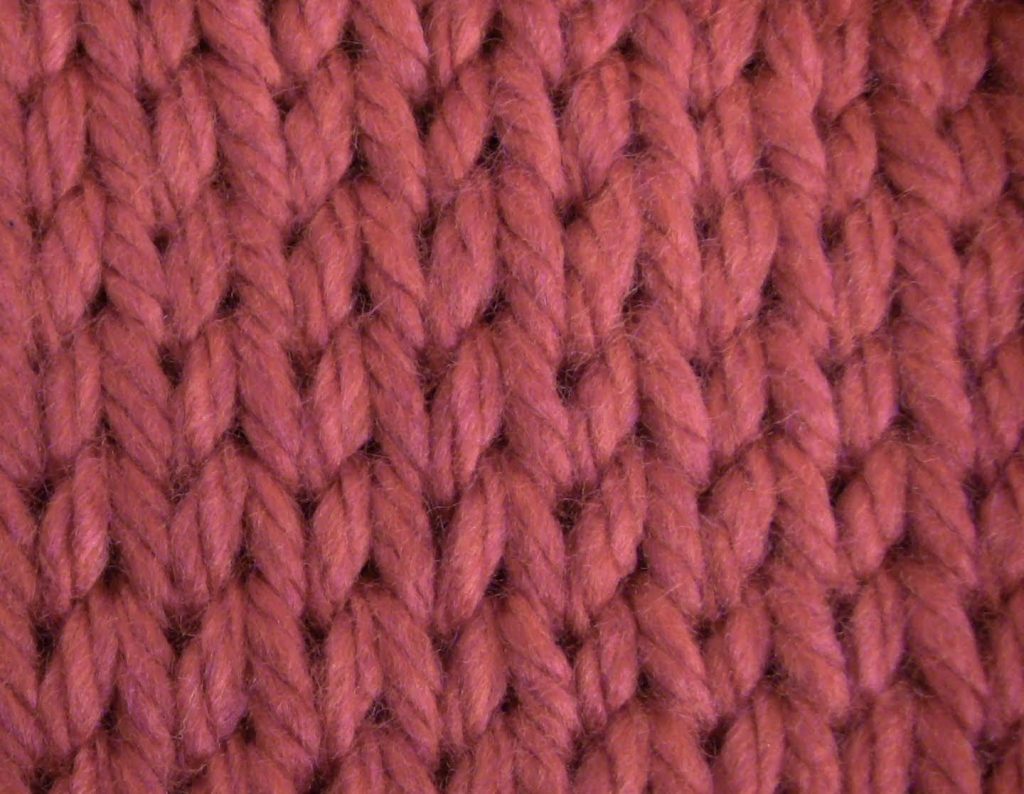
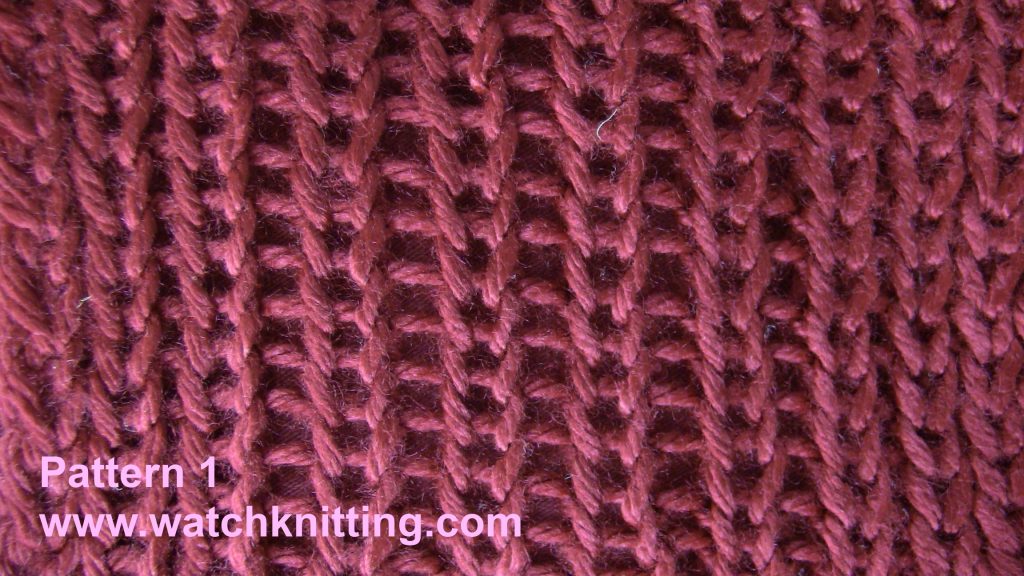
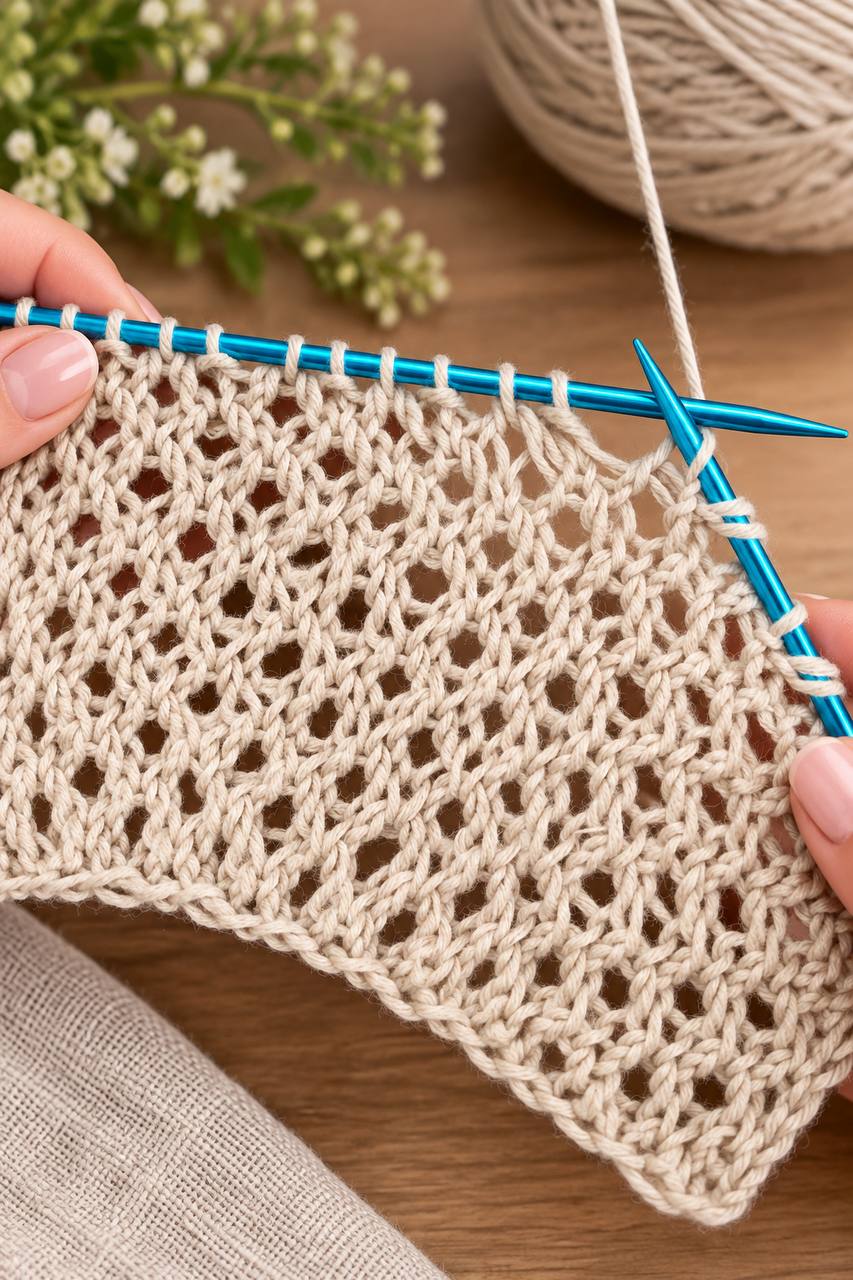
Looking for an openwork knitting stitch without using yarn overs? This Knit & Purl Mesh Stitch creates a light, textured fabric using knit stitches, Eastern purl techniques, and stitches worked into the row below.
The pattern has a simple 4-row repeat and is a great option for lightweight tops, summer garments, scarves, and other projects where you want an airy mesh effect without traditional yarn overs.
Pattern Information
This stitch pattern can be worked over any number of stitches, but to make the instructions easier to follow, I’ve written the pattern using a multiple of 2 stitches.
Stitch Multiple: Multiple of 2 stitches
Pattern Repeat: 4 rows
Abbreviations
EK1B-sl1: Work an Eastern knit into the stitch directly below the next stitch on the left needle, leaving the original stitch on the left needle; then slip that same original stitch knitwise to the right needle.
EP2tog: Eastern purl 2 stitches together.
Instructions
Stitch Multiple: Multiple of 2 sts
Pattern Repeat: 4 rows
Setup Row: *K1, P1; rep from * across.
Row 1 (WS): Sl edge, *EK1B-sl1, K1; rep from * across, K edge.
Row 2 (RS): Sl edge, *K1, EP2tog; rep from * across, K edge.
Row 3 (WS): Sl edge, *K1, EK1B-sl1; rep from * across, K edge.
Row 4 (RS): Sl edge, *EP2tog, K1; rep from * across, K edge.
Repeat Rows 1–4 for pattern.
Important Note
When working EP1B-sl1, both actions are worked from the same stitch.
First, work an Eastern purl into the stitch below. The original stitch remains on the left needle. Then slip that same original stitch knitwise to the right needle.
This is one combined action, not two separate stitches.
About the Stitch
Unlike many traditional lace or mesh patterns, this stitch does not use yarn overs to create the openwork effect. The texture develops through the combination of stitches worked below, slipped stitches, and Eastern purl decreases.
The result is a textured, open fabric with a mesh-like appearance while still keeping a structured knitted look.
Project Ideas
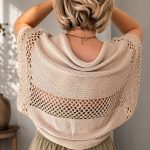
This stitch works especially well for lightweight garments, summer tops, loose sweaters, scarves, wraps, and other projects where you want texture and openness without using a traditional yarn-over lace pattern.
For the best drape, try using a yarn and needle combination that allows the fabric to stay soft and relaxed rather than too tight.
Video Tutorial
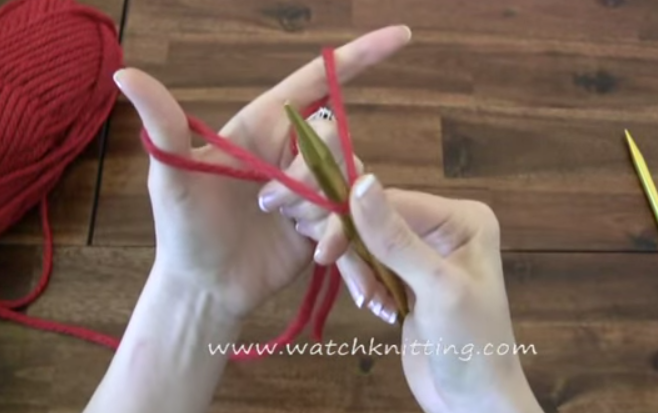
A full step-by-step video tutorial is available on my YouTube channel if you would like to see each technique demonstrated in detail.
Leave a Reply